Flag State Responsibility: Who Answers for a Ship at Sea
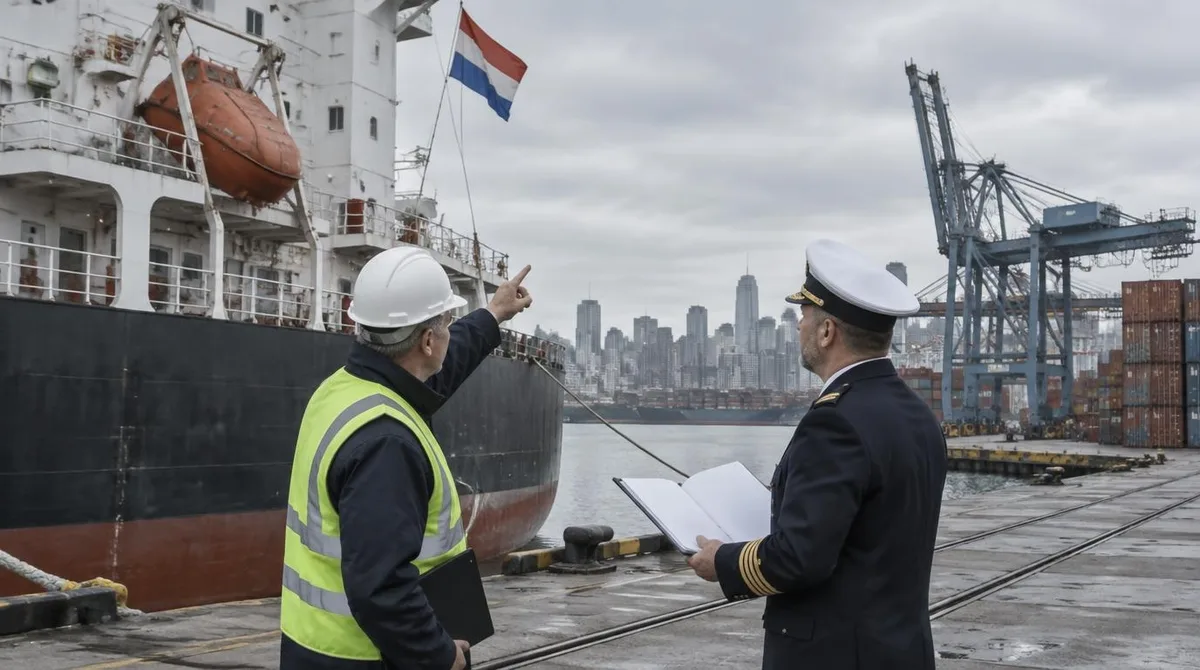
The flag state answers for a ship's registry, surveys, crew papers, and casualties under UNCLOS Article 94. Open registries carry most tonnage, so port state control serves as the backup.

The flag state answers for a ship's registry, surveys, crew papers, and casualties under UNCLOS Article 94. Open registries carry most tonnage, so port state control serves as the backup.
Defense programs face three layers of oversight: the Government Accountability Office, the Pentagon's inspector general, and Congress's own Nunn-McCurdy reporting rules. This guide explains what each body audits and what its reports change.

A short federal statute and long state memories keep state naval militias on the books, from New York's 1891 muster to today's disaster-response forces.

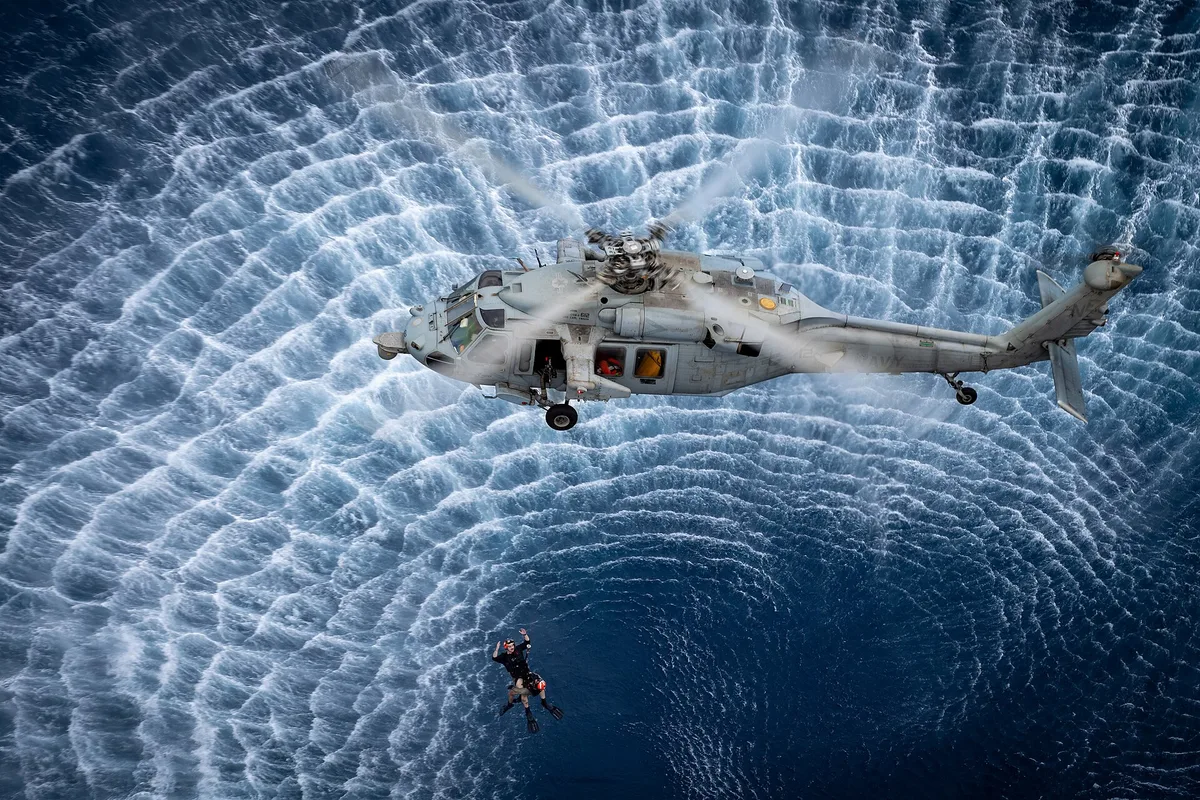
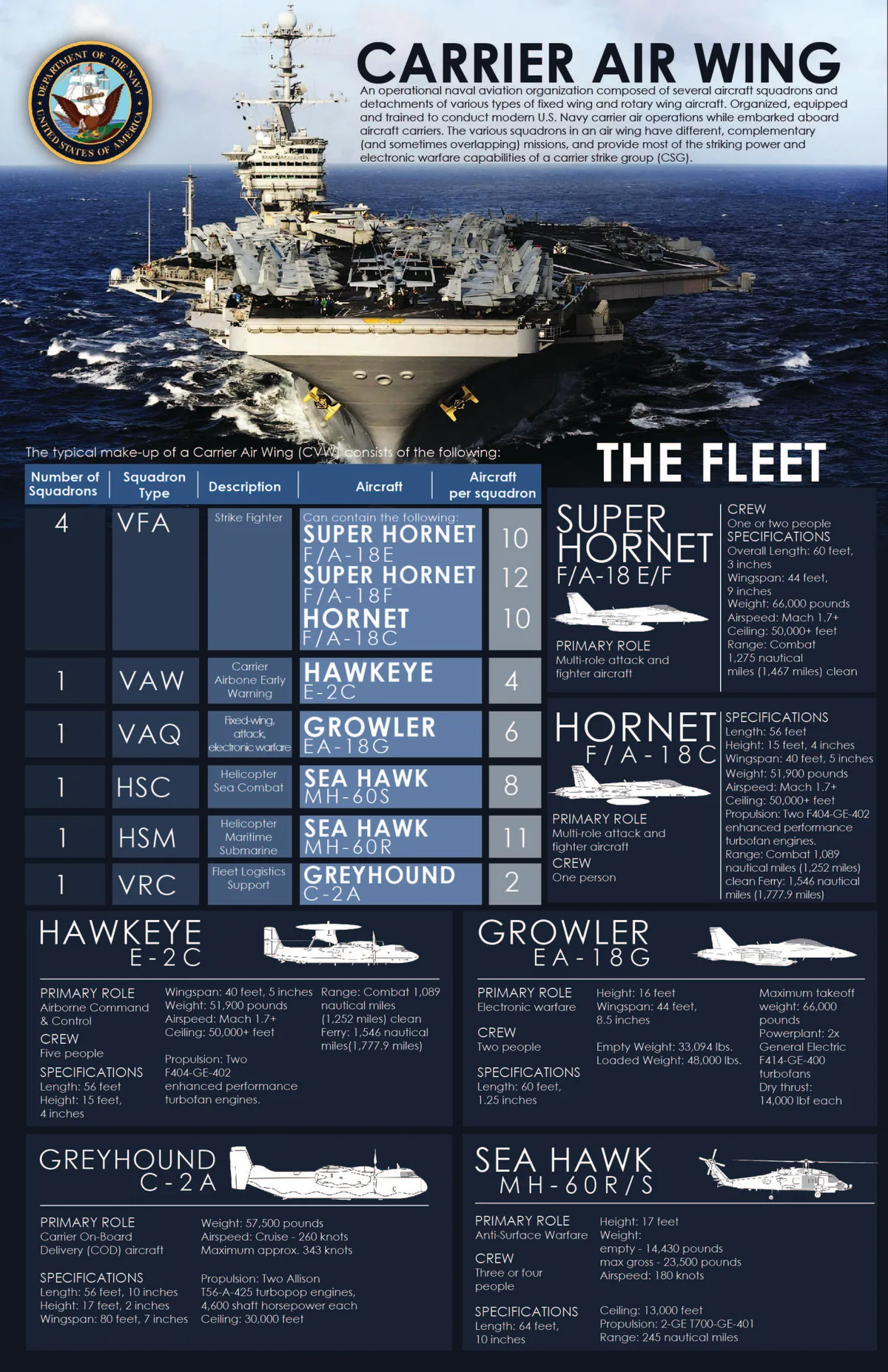
One F-35C squadron, three Super Hornet squadrons, a Growler unit, an E-2D unit, and helicopters: how the Navy assembles a carrier air wing for a deployment.

The IMO's fuel and emissions rules now steer hull design and fuel supply for the world merchant fleet. A guide to MARPOL measures, the 2023 strategy, and the Net-Zero Framework.

How government defense contracting works: appropriation, obligation, Milestone C, and award, traced through dated GAO and CRS records.

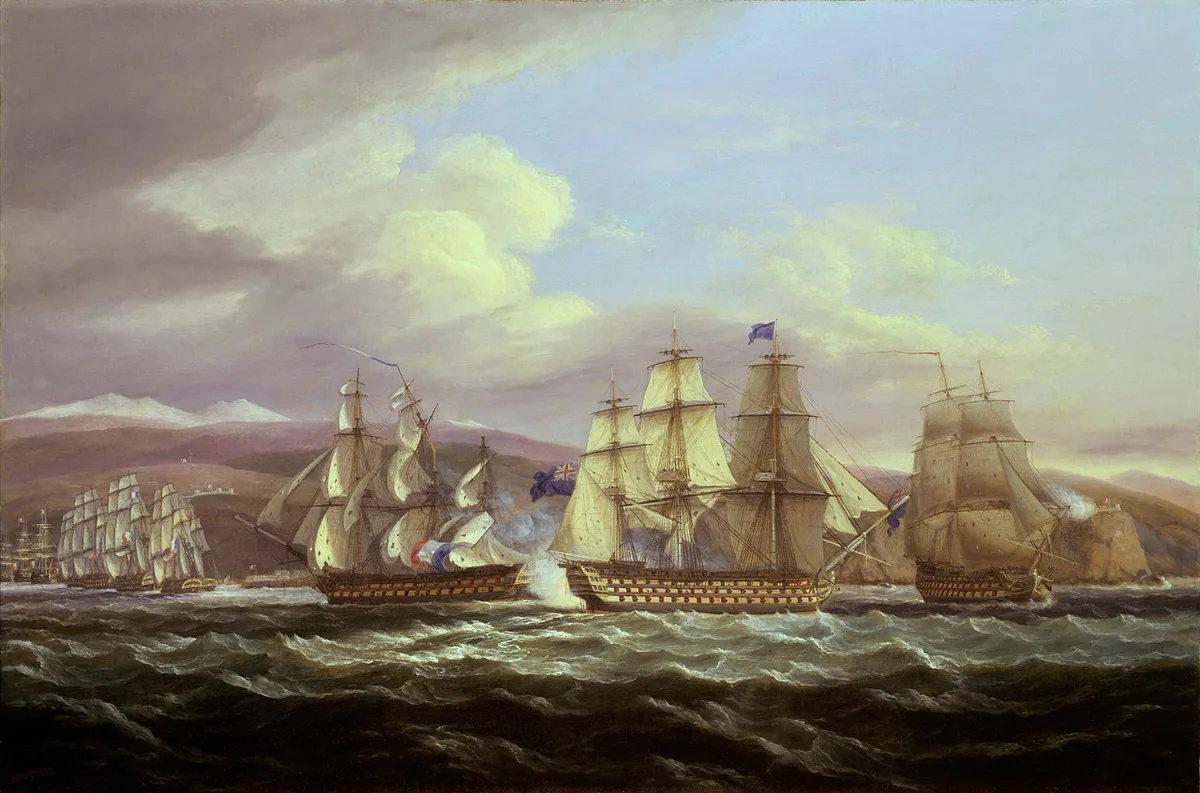
From the Royal Navy's close blockade of France to the World Wars, blockades have shaped conflicts and tested the law of neutrality. Here is how they work and when they succeed.

From interwar tonnage treaties to modern transparency accords, what naval arms control achieved, and why it faded.

What the treaty actually says about territorial waters, exclusive economic zones, and straits used by navies.