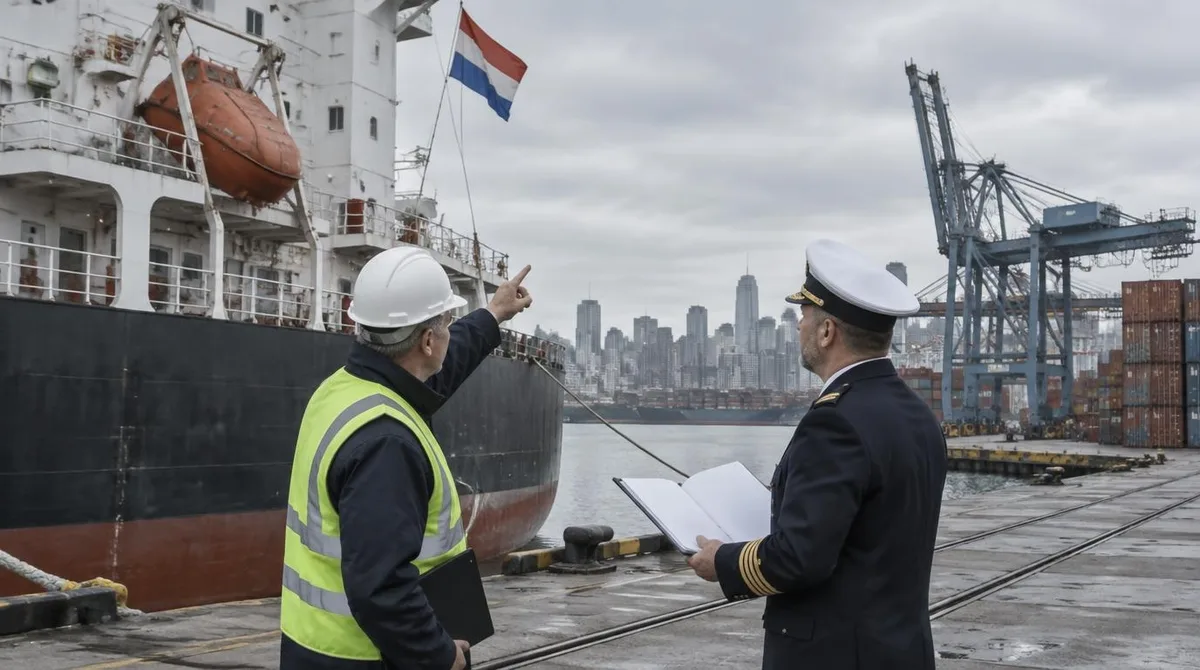
Flag State Responsibility: Who Answers for a Ship at Sea
The flag state answers for a ship's registry, surveys, crew papers, and casualties under UNCLOS Article 94. Open registries carry most tonnage, so port state control serves as the backup.
Policy follows the decisions that set fleet size: annual shipbuilding plans, appropriations, force-level goals, basing agreements and maritime treaty commitments. Articles quote the plan, compare it against delivery records and identify the gap. Written for legislative staff, industry planners and readers assessing whether stated naval ambitions are funded.
Shipbuilding budgets, force-level targets, legislation and treaties tracked against delivery reality, with documents quoted and arithmetic checked.
The flag state answers for a ship's registry, surveys, crew papers, and casualties under UNCLOS Article 94. Open registries carry most tonnage, so port state control serves as the backup.
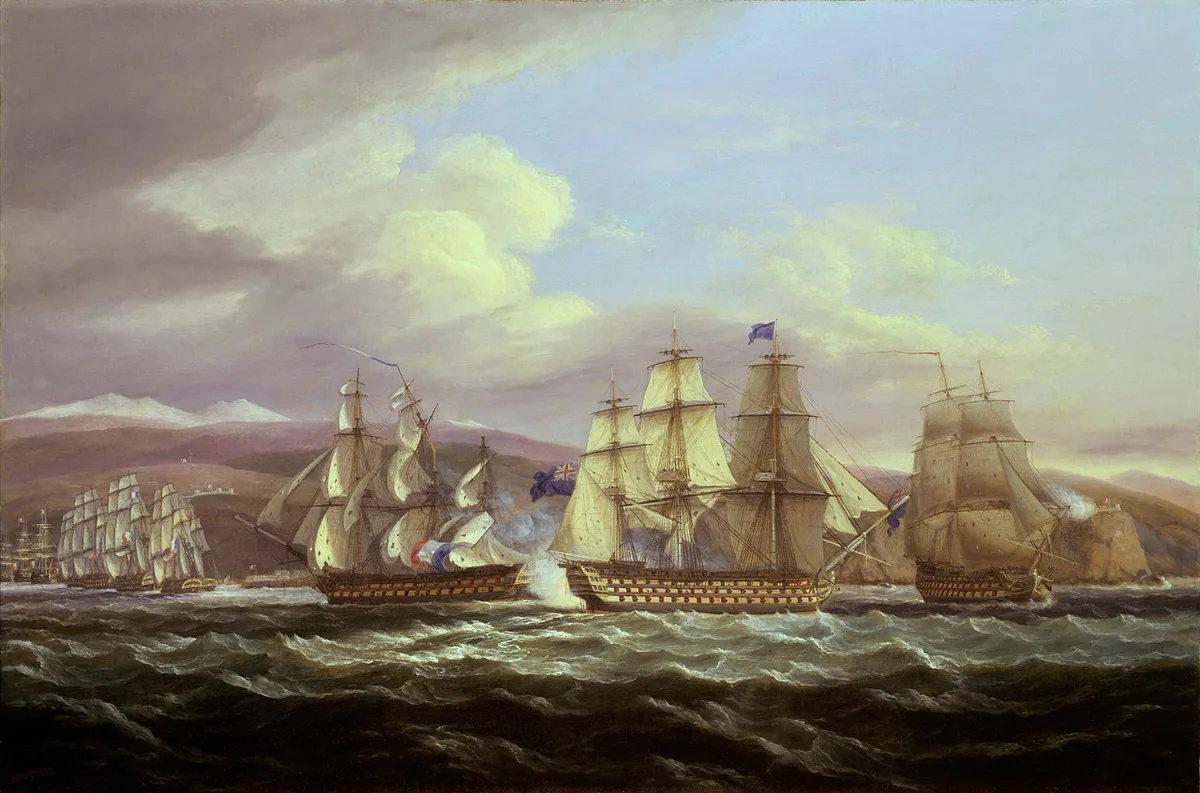
From the Royal Navy's close blockade of France to the World Wars, blockades have shaped conflicts and tested the law of neutrality. Here is how they work and when they succeed.
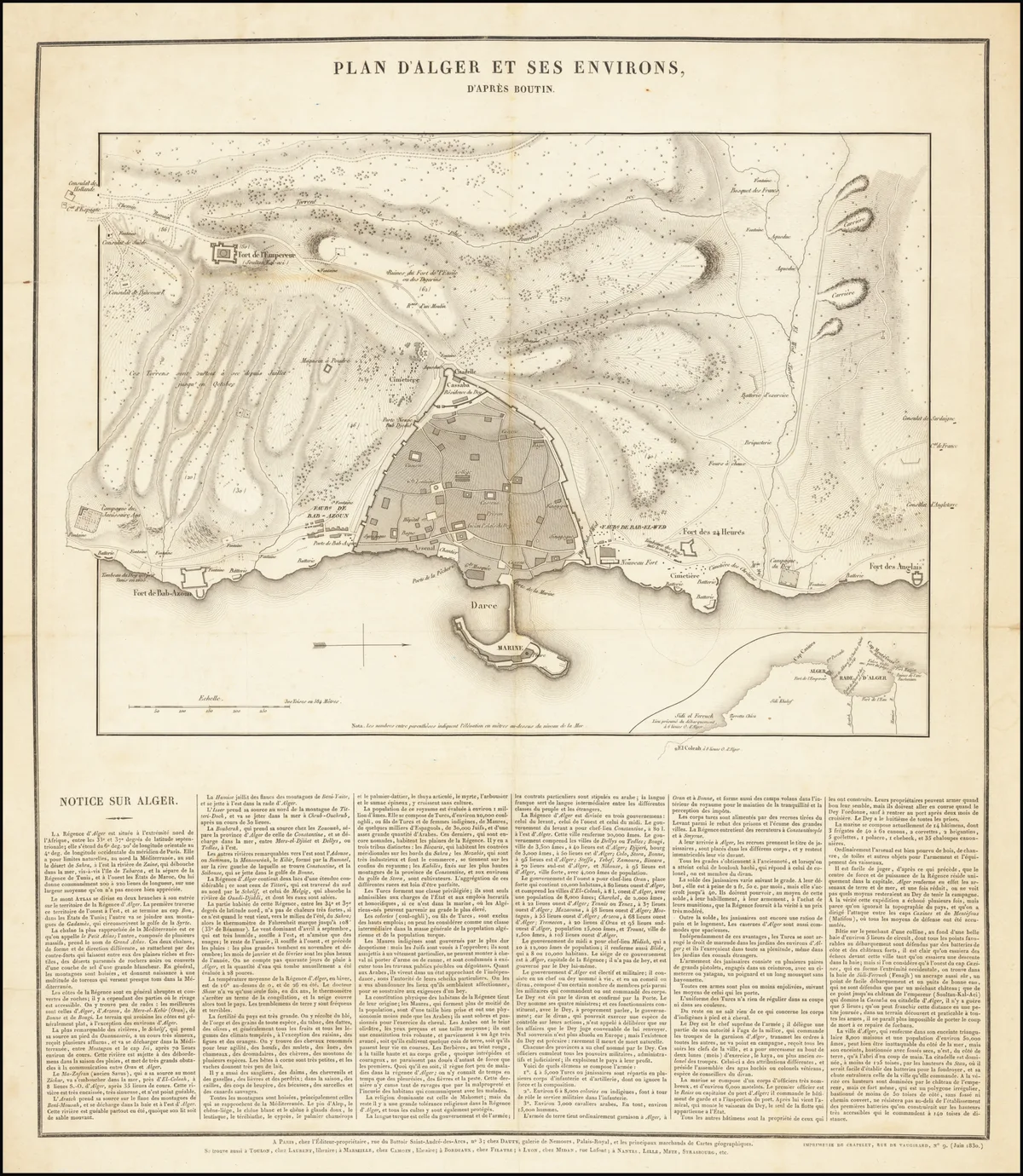
From interwar tonnage treaties to modern transparency accords, what naval arms control achieved, and why it faded.

What the treaty actually says about territorial waters, exclusive economic zones, and straits used by navies.
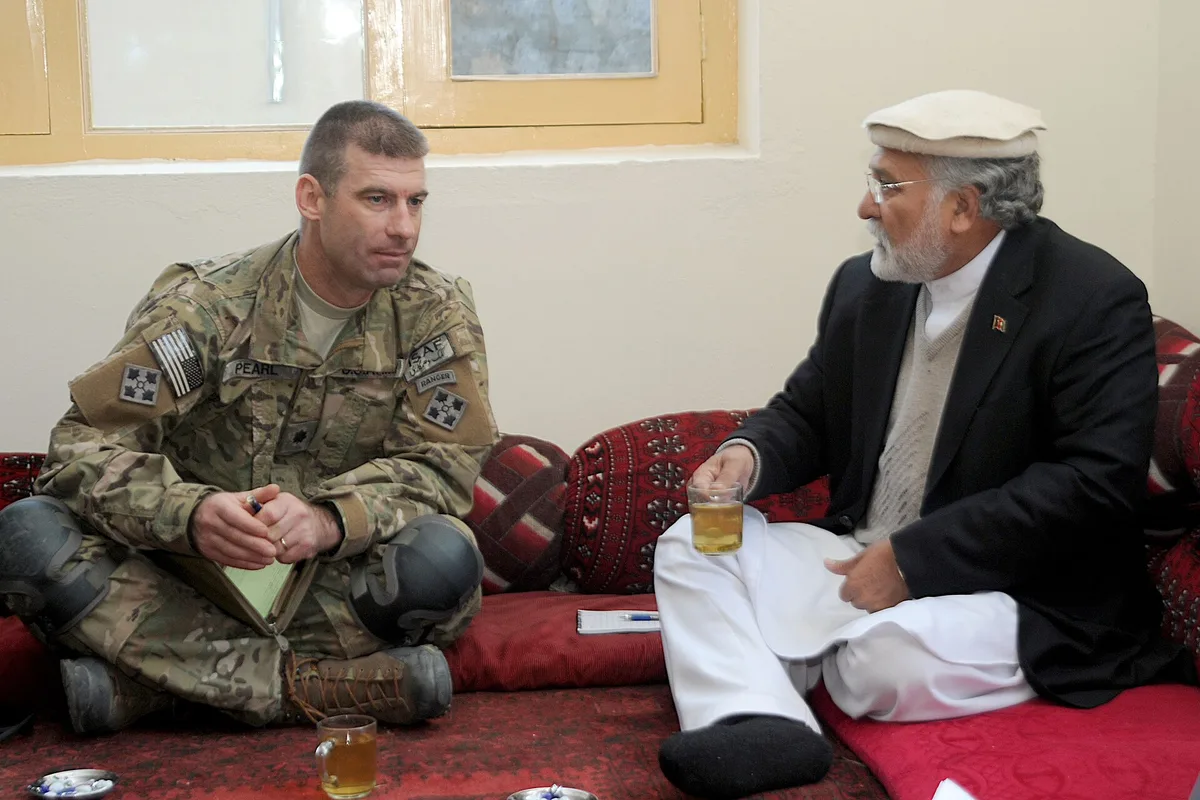
From service requests to appropriated shipbuilding dollars: the annual process, in plain English.
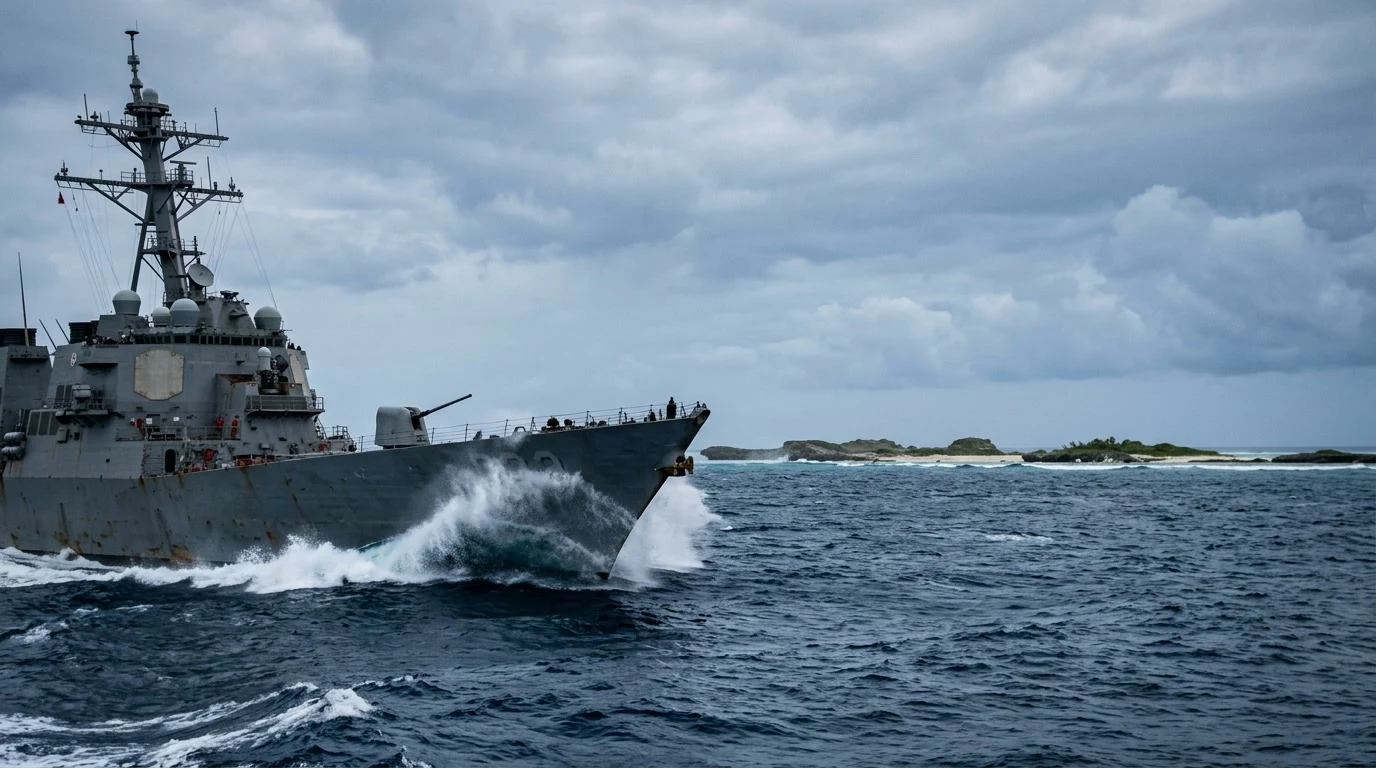
The Freedom of Navigation Program is a Department of Defense initiative, in place since 1979, that uses U.