Flag State Responsibility: Who Answers for a Ship at Sea
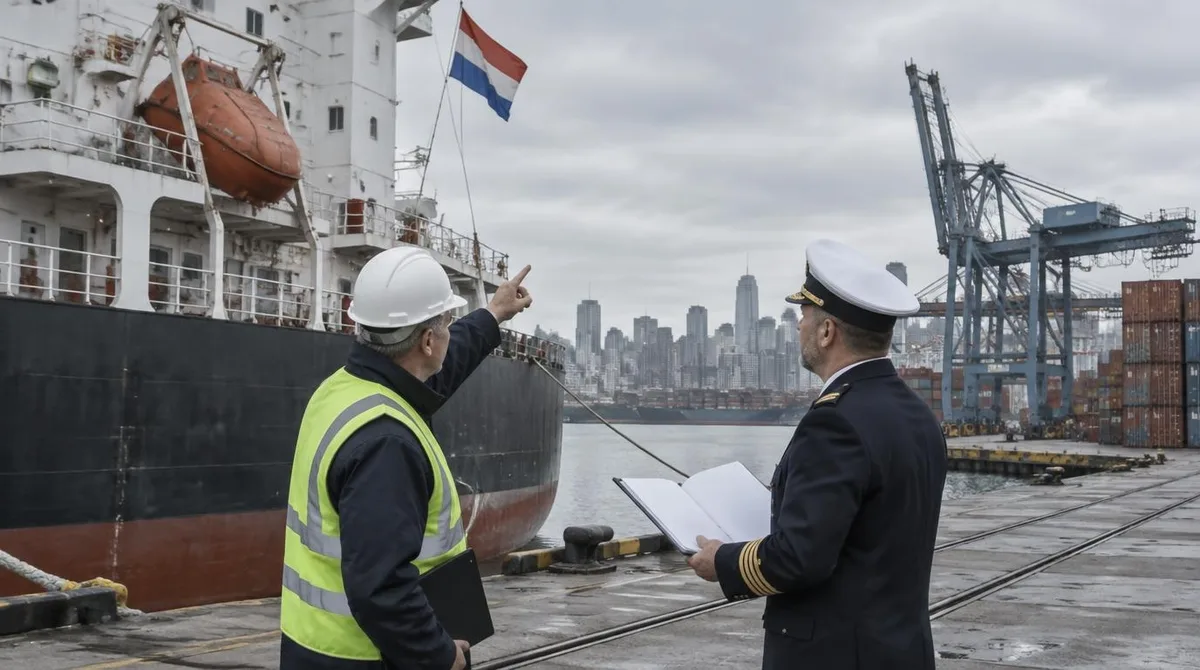
The flag state answers for a ship's registry, surveys, crew papers, and casualties under UNCLOS Article 94. Open registries carry most tonnage, so port state control serves as the backup.
The flag state answers for a ship's registry, surveys, crew papers, and casualties under UNCLOS Article 94. Open registries carry most tonnage, so port state control serves as the backup.

What 49 continuing resolutions since fiscal year 2011 cost the fleet: delayed ship maintenance awards, a $1.8 billion deferred backlog, and contract price increases documented by GAO.

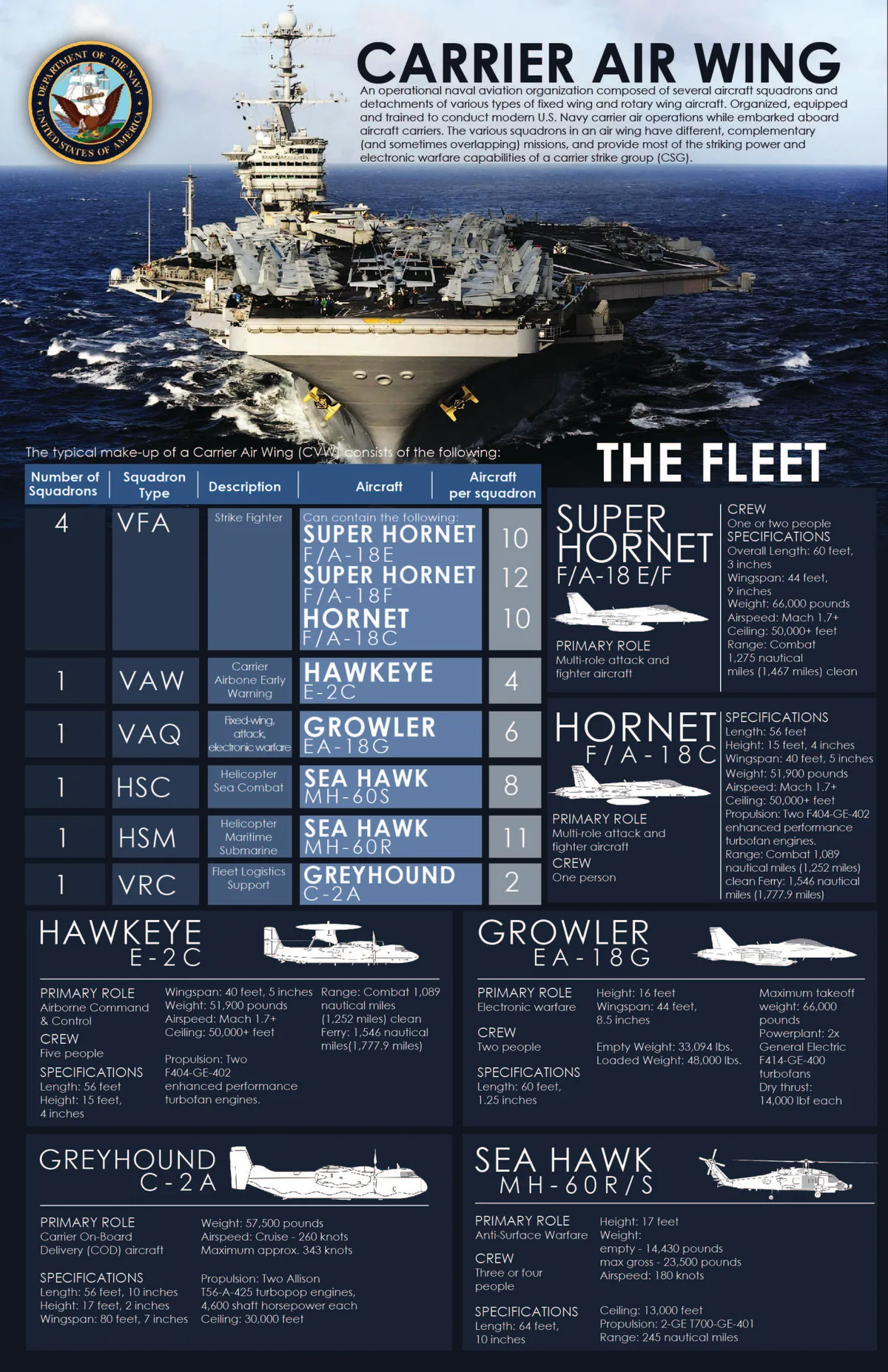
One F-35C squadron, three Super Hornet squadrons, a Growler unit, an E-2D unit, and helicopters: how the Navy assembles a carrier air wing for a deployment.

The IMO's fuel and emissions rules now steer hull design and fuel supply for the world merchant fleet. A guide to MARPOL measures, the 2023 strategy, and the Net-Zero Framework.

How government defense contracting works: appropriation, obligation, Milestone C, and award, traced through dated GAO and CRS records.

Three types of marine cover decide which routes stay open, and which ships stay in port.

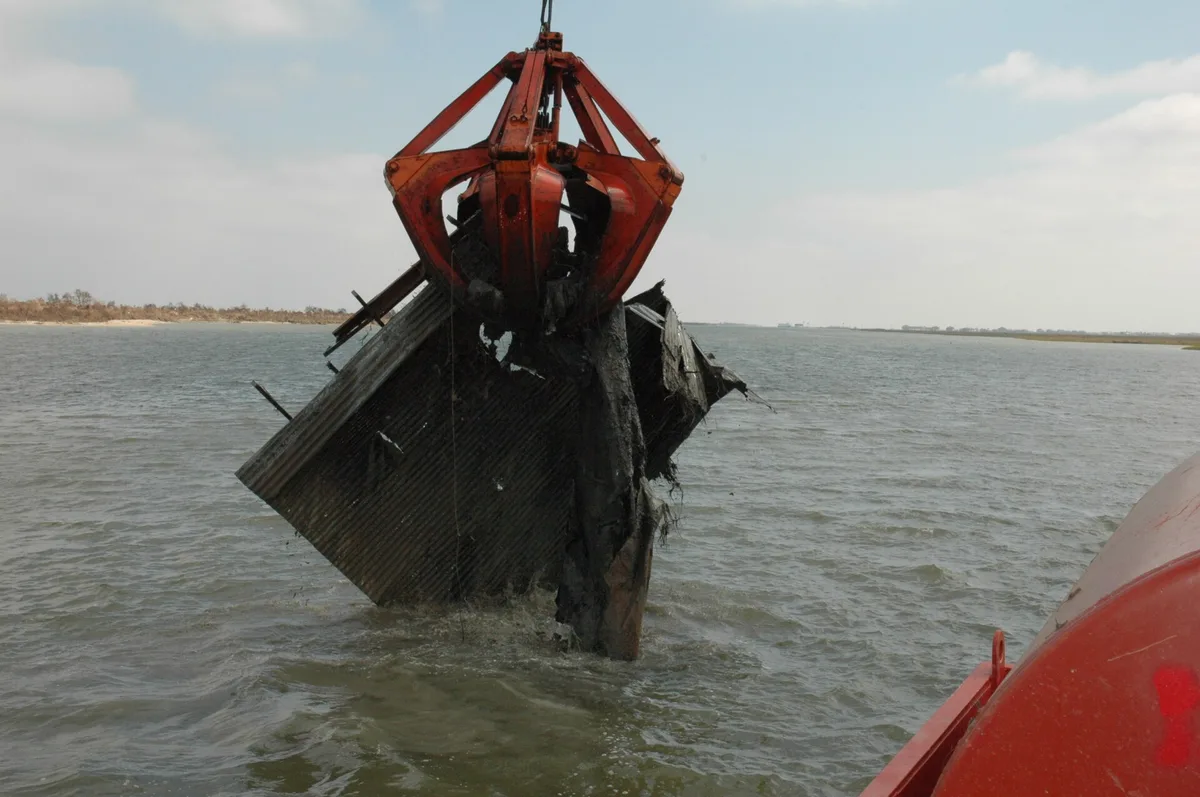
The contracts, tugs and engineering behind recovering wrecks, explained from the waterline up.

End-of-life tonnage moves through a cash market shaped by scrap steel prices, labor costs, and regulation.

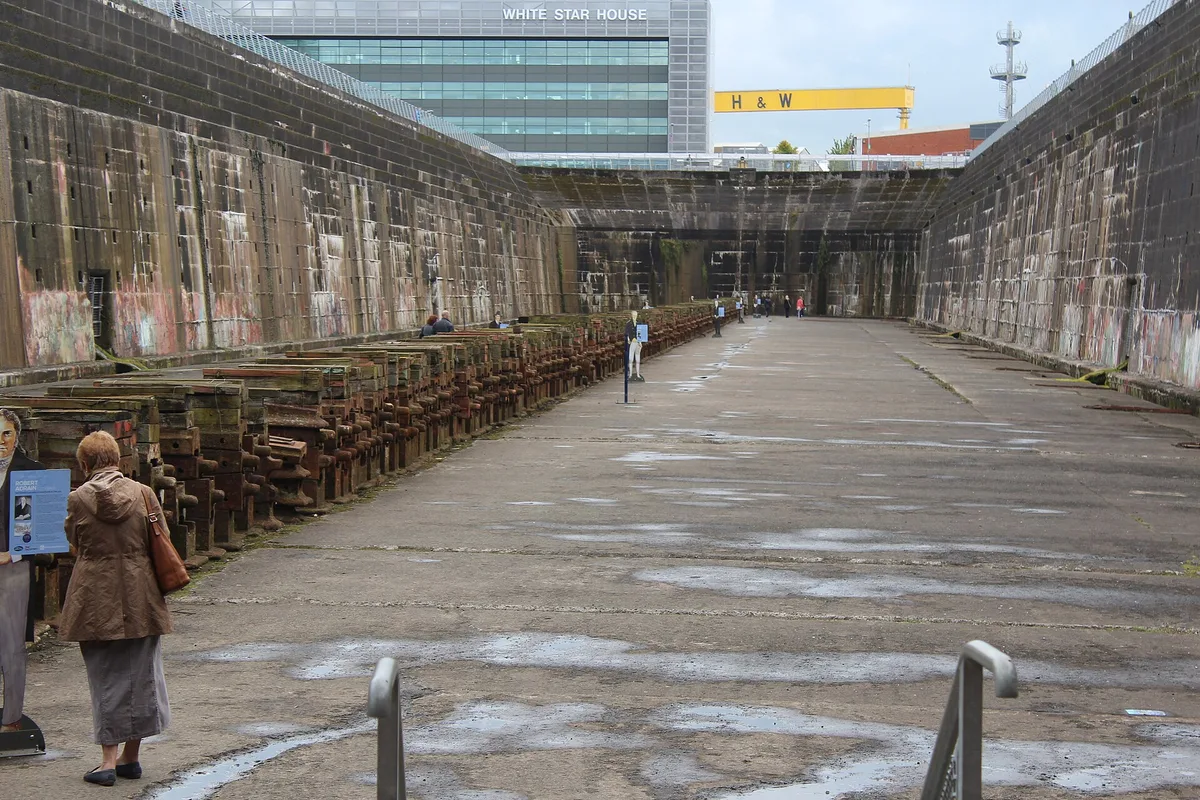
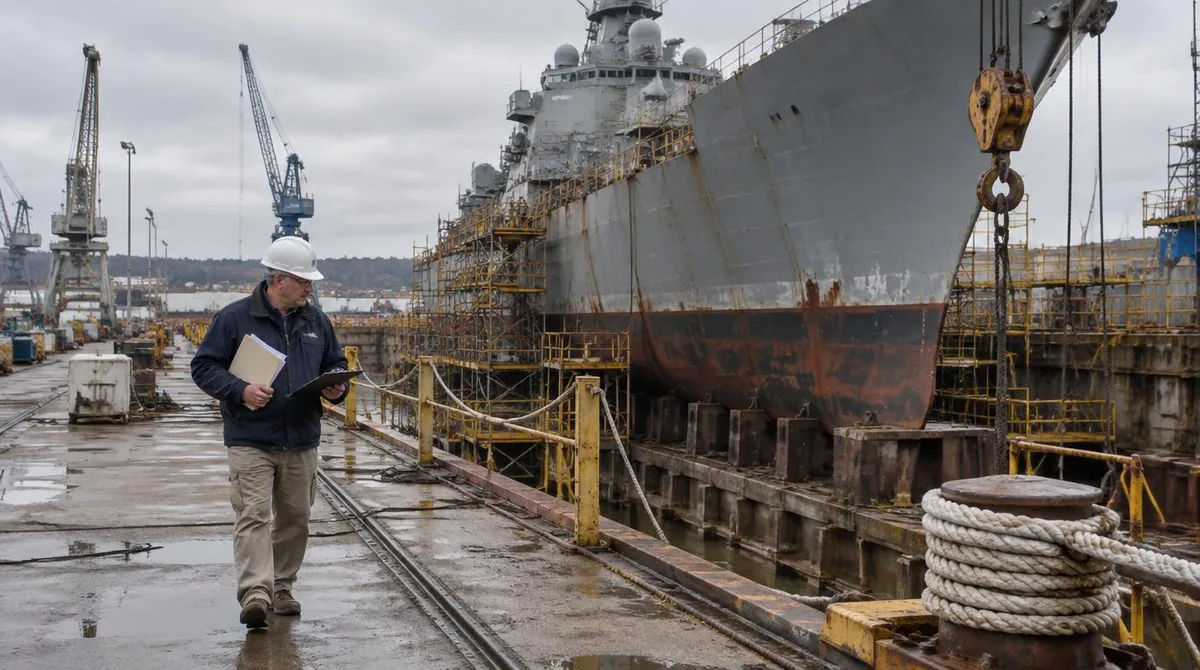
How a ship is lifted clear of the sea, what workers inspect and fix while it sits on blocks, and why the docking cycle shapes both navy budgets and shipyard order books.

Civilian crews, commercial ships, and government sealift form the supply line that military operations depend on.